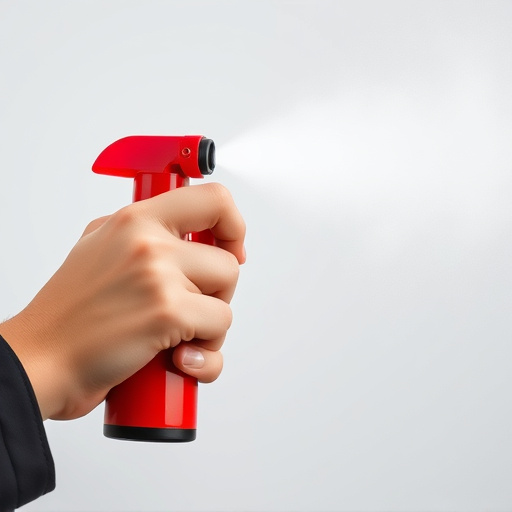
Regularly check pepper spray expiration dates (2-5 years) and store in cool, dry places to maintain effectiveness. Verify manufacturer recommendations for replacement, inspect for damage, and keep out of reach for safety and optimal performance.
Stay protected with an understanding of your inflammatory agent personal protection spray’s shelf life. Pepper spray, like any other self-defense tool, has a finite lifespan. This article guides you through navigating the expiration dates, highlighting key factors affecting their validity. Learn how to check and maintain your supply effectively to ensure its readiness when you need it most. Remember, regular checks are crucial for peace of mind and safety.
- Understanding Pepper Spray's Shelf Life
- Factors Affecting Expiration Dates
- Checking and Maintaining Your Supply
Understanding Pepper Spray's Shelf Life
Understanding pepper spray’s shelf life is crucial for ensuring its effectiveness when you need it most. Unlike traditional spices used in cooking, which can remain usable for years, pepper spray has a limited lifespan. The expiration date varies depending on the manufacturer and the specific formulation but generally ranges from 2 to 5 years. Regularly checking the expiration date is essential, especially if stored in areas prone to temperature fluctuations or direct sunlight.
To maintain optimal performance, store your pepper spray in a cool, dry place away from heat sources and direct light. Some manufacturers also recommend keeping it sealed until use to preserve its potency. By adhering to the recommended storage conditions and staying vigilant about the expiration date, you can ensure that your pepper spray remains a reliable personal protection tool when facing potential threats.
Factors Affecting Expiration Dates
The expiration date of a pepper spray is influenced by several key factors. One of the primary considerations is storage conditions. Extreme temperatures, both hot and cold, can accelerate the degradation of the active ingredients in the spray. It’s crucial to keep your pepper spray in a cool, dry place, away from direct sunlight or heat sources.
Another significant factor is frequency of use and exposure to environmental elements. If your pepper spray is frequently used or exposed to moisture, humidity, or harsh weather conditions, it may lose its potency and effectiveness before the stated expiration date. Regularly checking the condition of your spray and ensuring it remains sealed tight can help maintain its integrity. For optimal performance, consider replacing your pepper spray every 2-3 years, but always refer to the manufacturer’s specific guidelines for the most accurate pepper spray expiration date check.
Checking and Maintaining Your Supply
Regularly checking your pepper spray’s expiration date is non-negotiable for ensuring its effectiveness and safety. Unlike some personal protection devices, pepper spray requires proactive maintenance to stay ready when you need it most. It’s recommended to inspect the bottle for any signs of damage or tampering, check the lock mechanism, and verify that the nozzle remains intact and free from clogs.
Proper storage is equally vital. Store your pepper spray in a cool, dry place away from direct sunlight and heat sources. Extreme temperatures can degrade the active ingredients, reducing the spray’s potency. Keep it out of reach of children and pets to prevent accidental discharge or ingestion. Regular maintenance not only ensures optimal performance but also prolongs the lifespan of your pepper spray, ensuring you’re always prepared for unexpected situations.
When it comes to your safety, regular checks and proper maintenance of your inflammatory agent personal protection spray are essential. Understanding the factors affecting expiration dates and keeping up with a consistent routine can ensure its effectiveness when you need it most. Remember, a well-maintained supply is key to staying prepared, so make it a priority to incorporate these simple steps into your routine and stay one step ahead.